

What Businesses Should Know Before Installing a Commercial Solar System
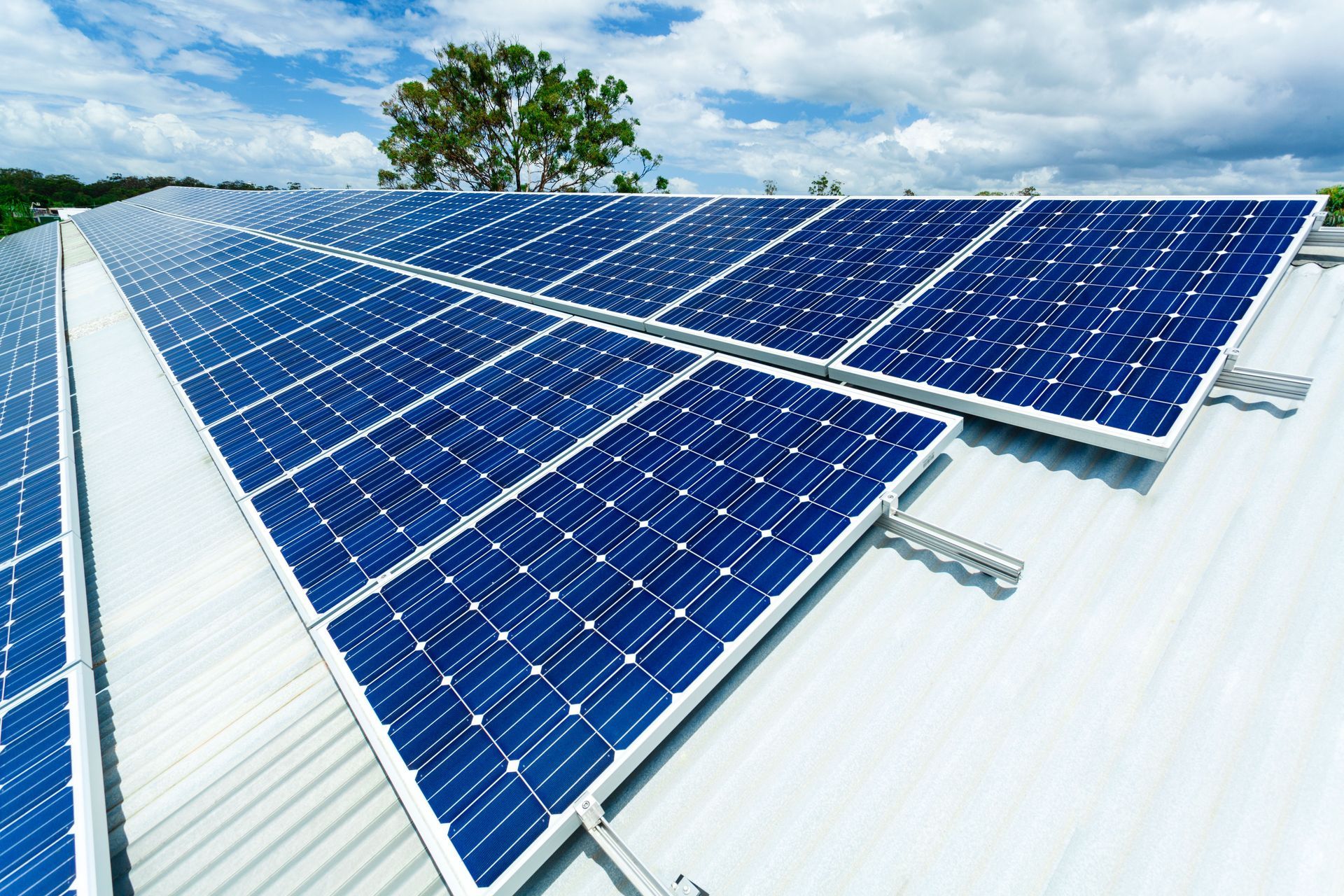
Transitioning to renewable energy represents a transformative opportunity for organizations seeking greater control over utility expenses and environmental stewardship. Commercial solar systems allow facilities to generate clean electricity on site, shielding daily operations from volatile utility rate fluctuations while advancing corporate sustainability commitments. Many commercial solar companies emphasize that moving away from total utility dependence begins with a clear understanding of facility readiness, system engineering, and administrative requirements. By evaluating these operational factors early, commercial enterprises position themselves to achieve dependable long-term performance and lasting energy independence.
Commercial solar adoption across the country continues to accelerate at a historic pace as organizations embrace renewable infrastructure. According to the Solar Energy Industries Association, the United States surpassed 6 million solar installations during 2026, reaching that milestone only two short years after recording 5 million installations. This rapid growth demonstrates how modern enterprises view solar energy as an essential operational asset that bolsters business resilience while showcasing environmental leadership. Organizations that take time to comprehend the fundamental technical considerations behind commercial solar installations ensure that their clean energy investments deliver consistent value for decades.
Assess Needs and Goals
Evaluating facility energy consumption is the foundational step when planning an effective commercial solar array. Organizations must examine past electric bills to determine overall electrical demand, seasonal consumption shifts, and intervals of heaviest power usage. Facilities with heavy machinery, cold storage, or extensive lighting profiles exhibit distinct demand curves that influence solar equipment specifications. Establishing this historical baseline allows commercial solar companies to properly size solar arrays, preventing underproduction or unnecessary equipment overbuilding. Detailed consumption reviews also highlight internal energy waste, allowing businesses to address inefficient operational habits before finalizing system designs.
Establishing organizational sustainability objectives works hand in hand with baseline electrical assessments. Facilities must decide whether their primary objective involves peak demand reduction, carbon footprint reduction, or backup reliability. Anticipated operational expansions, facility additions, or future electric vehicle charging installations must factor into the overall system architecture. Evaluating facility efficiency measures, such as LED lighting retrofits and upgraded electrical distribution panels, minimizes waste and lowers total energy requirements. Incorporating power redundancy through commercial battery storage systems or auxiliary generators ensures continuous operational uptime during severe weather events or utility grid outages.
Review Incentives and Returns
Capital allocation for clean energy infrastructure requires a comprehensive evaluation of financial mechanisms and operational return. Federal investment tax credits, regional utility rebates, and accelerated depreciation schedules significantly lower the financial commitment necessary for commercial installations. Knowledgeable commercial solar companies guide organizations through these regulatory programs to ensure that every applicable incentive is secured. These tax credits and regional grant opportunities improve overall project feasibility, accelerating the payback period while preserving working capital for core business functions.
Calculating long-term return on investment requires analyzing historical utility rate increases, projected solar generation, and ongoing system servicing. Organizations should evaluate different funding structures, including capital purchases, commercial equipment loans, and solar power purchase agreements, to align with their cash flow strategies. Estimating routine electrical maintenance, periodic panel cleanings, and warranty service guarantees ongoing system efficiency over decades of operation. Diligent financial planning confirms that solar energy production consistently offsets facility operating expenses while delivering predictable utility budget stabilization.
Inspect Sites and Structures
A thorough site assessment identifies physical opportunities and structural limitations across commercial properties. Professional technicians examine solar access, roof angles, shading from neighboring structures, and property topography to determine optimal panel placement. Whether businesses utilize sprawling rooftop space, ground mounts, or solar carports, spatial planning dictates the overall energy capacity of the project. Experienced commercial solar companies evaluate existing roof materials, membrane condition, and remaining roof lifespan to verify that the underlying surface will outlast the mounted solar hardware.
Structural integrity assessments are equally vital to guarantee that the building safely supports the weight and wind loads of solar equipment. Licensed structural engineers review building blueprints, rafter distribution, and support columns to recommend any necessary reinforcements before installation begins. Preparing site infrastructure also involves evaluating electrical distribution rooms, conduit pathways, and environmental safety measures surrounding native vegetation or local wildlife habitats. Proper site preparation minimizes logistical challenges during construction, ensuring that physical facilities support reliable clean energy generation.
Select Equipment and Technology
Selecting appropriate photovoltaic equipment ensures peak electrical conversion and long-term operating durability. High-efficiency monocrystalline panels maximize solar output on roofs with limited square footage, while polycrystalline panels offer durable alternatives for expansive surface areas. Inverter selection represents another critical architectural decision, with commercial installations utilizing string inverters, power optimizers, or microinverter systems depending on shading conditions and panel orientation. Top commercial solar companies help facility managers evaluate equipment reliability ratings, temperature coefficients, and manufacturer warranty coverage.
Integrating battery storage systems complements photovoltaic production by storing surplus electricity generated during daylight hours. Commercial energy storage allows facilities to deploy stored power during peak utility tariff windows or sudden electrical grid interruptions, protecting sensitive equipment from voltage fluctuations. Inverter configurations and energy distribution switchboards must integrate seamlessly with facility electrical systems. Selecting hardware from reputable equipment manufacturers ensures ongoing access to replacement parts, firmware updates, and certified field support throughout the operational lifespan of the solar system.
Navigate Regulations and Permits
Navigating local building codes, electrical standards, and municipal zoning regulations represents a crucial phase of any commercial installation. Municipalities enforce strict fire setbacks, structural engineering standards, and safety disconnect requirements that dictate where solar arrays and wiring can be installed. Qualified commercial solar companies coordinate with municipal permitting departments, submitting engineering calculations and site plans to secure necessary building permits before construction commences. Proper compliance prevents administrative delays, stops project revisions, and ensures all installations protect building occupants and emergency responders.
Securing utility interconnection approvals requires coordination with regional electric utility providers to ensure distribution grid stability. Utility companies review electrical schematics, transformer capacities, and export parameters to prevent distribution grid overloads and verify islanding protection safety. Securing net metering agreements and regulatory approvals enables commercial facilities to export excess clean energy back to the electrical network in exchange for utility credits. Monitoring ongoing regulatory updates ensures that commercial solar installations remain fully compliant with regional environmental mandates and electrical safety codes.
Manage Installation and Commissioning
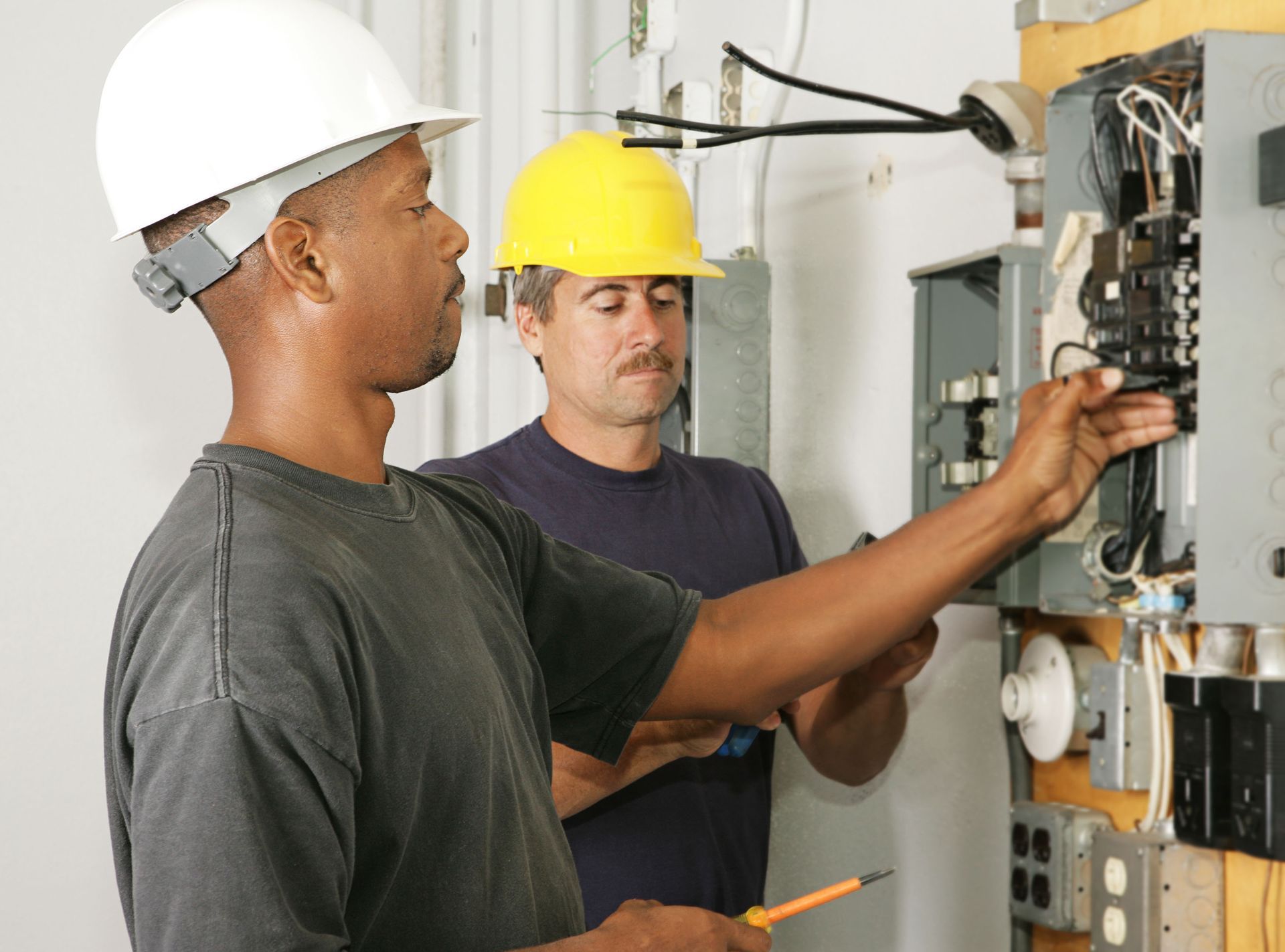
Effective project management keeps commercial solar installations on schedule while minimizing disruptions to daily facility operations. Detailed staging plans coordinate material deliveries, heavy equipment operation, roof penetration sealing, and electrical conduit routing. Working with certified commercial solar companies ensures that licensed electricians handle all primary service tie-ins, switchgear modifications, and transformer terminations safely. Strict adherence to occupational safety regulations, lockout procedures, and fall protection standards protects on-site personnel and prevents disruptions to ongoing commercial activities.
Comprehensive system commissioning represents the final step before commercial solar infrastructure becomes fully operational. Certified technicians conduct rigorous testing protocols, measuring circuit voltages, insulation resistance, thermal imagery, and inverter performance against manufacturer specifications. Utility representatives and local building inspectors inspect the completed installation to grant final permission to operate. Thorough commissioning documents verify that every electrical component operates within safe tolerances, ensuring maximum renewable generation and seamless power delivery from initial startup.
Investing in commercial solar energy delivers significant operational advantages, from reduced utility expenses and long-term energy independence to demonstrable environmental leadership. Navigating this multi-step journey requires careful energy assessments, sound financial planning, structural evaluations, and expert electrical engineering. By working with seasoned commercial solar companies, businesses can overcome permitting hurdles and deploy durable renewable energy systems customized to their specific facility needs.
Transitioning to clean energy strengthens business resilience and establishes a predictable foundation for sustainable organizational growth. Contact us at Adair Electric Company today to begin designing your commercial solar system, and let our team guide your business toward sustainable energy independence.


Share On: